
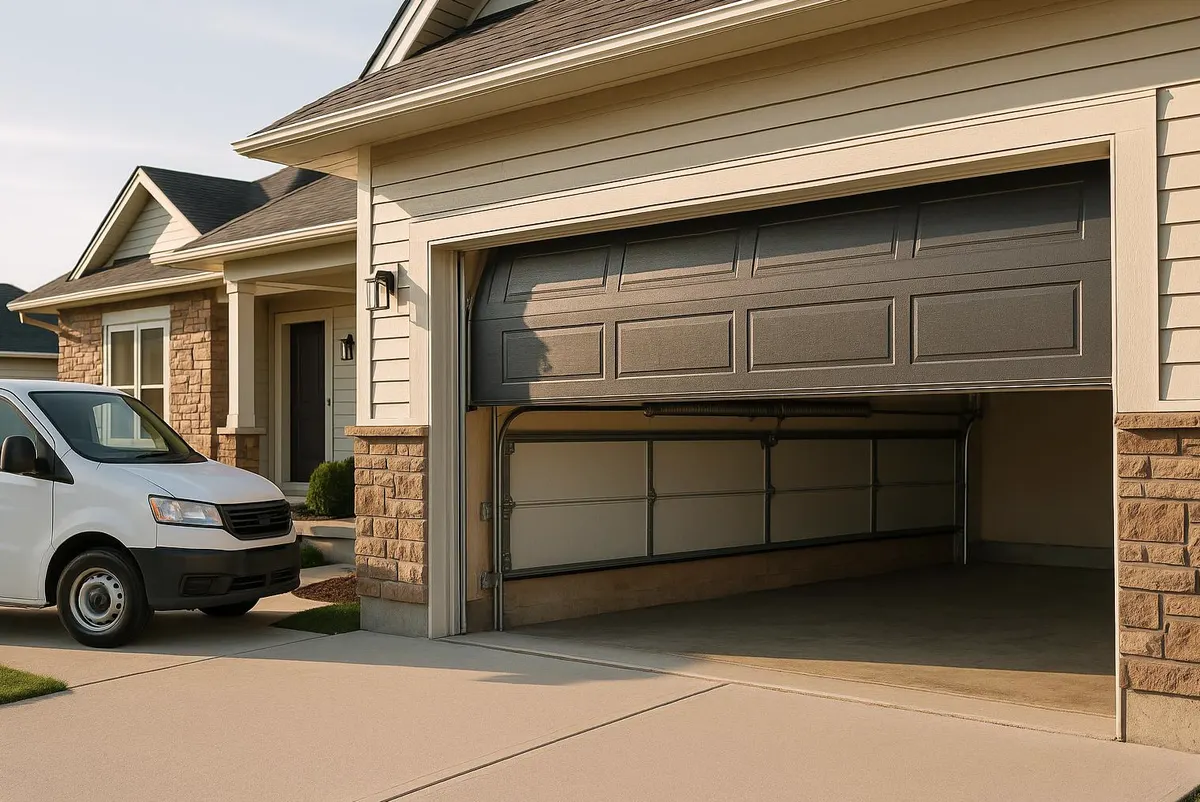
Getting your garage door ready for winter in Clewiston means checking for storm-season wear, re-lubricating parts that dried out or rusted during the humid months, and sealing gaps before cooler nights set in. It's a shorter list than hurricane prep, but skipping it means dealing with a stiff, noisy, or drafty door right when the weather finally cools off enough to enjoy your garage as a workspace again.
Why Winter Prep Looks Different Here
Winter in Hendry County doesn't mean freezing temperatures and snow. It means the end of the daily afternoon downpours, lower humidity, cooler nights, and the occasional cold snap that can drop temperatures into the 30s and 40s for a night or two. That shift matters for a garage door that just spent months swelling in moisture and getting battered by wind-driven rain. As the air dries out, wood panels can shrink slightly, metal parts that picked up surface rust can seize or squeal, and weatherstripping that softened in the heat can crack as temperatures swing between a cool morning and a warm afternoon.
Check the Weatherstripping and Bottom Seal
Run your hand along the bottom seal and side weatherstripping. After a summer of heat and humidity, rubber seals often get soft, and small tears or gaps show up that you wouldn't have noticed before. Now's the time to find them, because:
- Gaps let in cooler drafts at night, which matters if your garage houses a freezer, workshop, or anything temperature-sensitive.
- Open seams invite insects, spiders, and the occasional mouse looking for a dry place as outdoor temperatures drop.
- Worn seals let in dust and debris kicked up during the drier, windier months.
Replacing a bottom seal is a straightforward DIY job for most homeowners, but if the track it sits in is bent or rusted from the wet season, that's a sign to have it looked at rather than just swapping the rubber.
Inspect for Rust Before It Spreads
Months of humidity and salt-tinged air, especially if you're closer to the lake or have had standing water near the garage, can leave light rust on springs, hinges, rollers, and the track. Rust doesn't stay put. A small spot on a spring coil can weaken the metal over time, and a rusted roller will bind and wear unevenly as it moves through a track. Wipe down visible metal parts, and if you see flaking or pitting rather than just surface discoloration, that part may need replacing rather than cleaning.
Re-Lubricate Moving Parts
Garage door lubricant isn't a one-and-done job. Hurricane season tends to wash it off hinges and rollers, or dilute it to the point it's not doing much. With drier air moving in, this is a good window to apply fresh lubricant to:
- Hinges and rollers
- The torsion spring (use a product rated for springs, not a general household oil)
- The track where rollers travel
A door that's been groaning, squeaking, or feels heavier than usual to lift by hand is often just dry and under-lubricated, not actually broken. It's worth checking before assuming you need a repair.
Test the Opener and Battery Backup
Cold snaps and the tail end of storm season can both bring short power outages. If your opener has a battery backup, test it now. Press the wall button or remote with the power cut (unplug the opener briefly) and confirm the battery kicks in and the door still runs through a full open-close cycle. If the backup is sluggish or doesn't engage, the battery itself may need replacing before you actually need it on a dark, stormy night.
Clear Tracks and Sensors of Storm Debris
After a season of wind and rain, it's common to find leaves, grit, and small debris built up along the bottom of the tracks and around the photo-eye safety sensors. A door that reverses unexpectedly, or won't close at all, is frequently just a dirty or slightly misaligned sensor rather than a bigger problem. A quick wipe-down of both sensor lenses and a visual check that they're pointed directly at each other solves this more often than people expect.
When to Call Clewiston Garage Door
If you've gone through these checks and the door still binds, grinds, or doesn't move evenly on both sides, that's usually a sign of a bigger issue, like a spring losing tension or a track that's shifted out of alignment. Clewiston Garage Door handles garage door maintenance tune-ups that cover the full system, and spring replacement for doors that are starting to show the kind of wear that lubricant alone won't fix. Catching it now, before the door sees heavier use over the cooler months, is a lot easier than dealing with a stuck door on a cold morning.
If your garage door needs a seasonal check or repair before winter settles in, call Clewiston Garage Door today. We serve homeowners throughout Clewiston, FL and surrounding Hendry County communities.